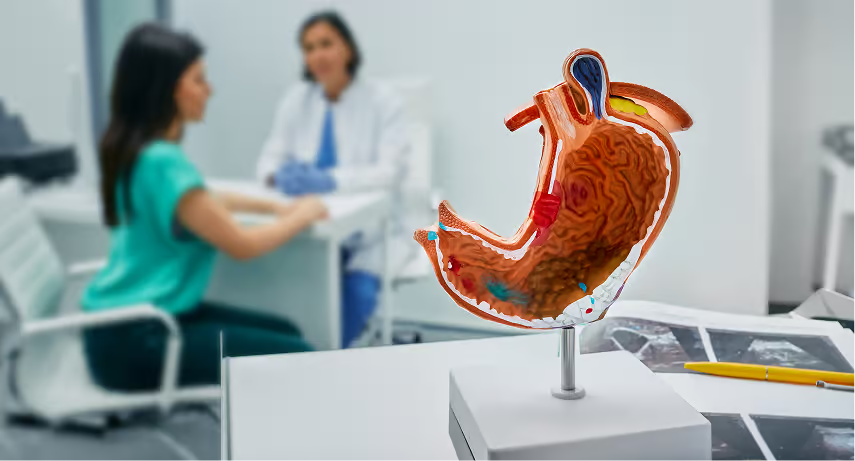
GERD Treatment In Dubai
If you’ve ever experienced the burning discomfort of heartburn that just won’t quit, you might be familiar with GERD (Gastroesophageal Reflux Disease). GERD is more than a sporadic inconvenience—a persistent condition that demands attention.

What is GERD?
GERD, or Gastroesophageal Reflux Disease, is a persistent condition where stomach acid consistently flows back into the esophagus, a tube that links the mouth and stomach.
This acid reflux can result in irritation and inflammation of the esophagus, manifesting in symptoms such as heartburn, a sore throat, the feeling of acid moving into the throat, chest discomfort, challenges with swallowing, and an enduring cough.
There are several options available for GERD treatment in Dubai or acid reflux treatment Dubai to alleviate symptoms and manage the condition effectively.
What are the Symptoms of GERD?
Symptoms of GERD may include:
- Backwash
- Heartburn
- Noncardiac chest pain
- Trouble swallowing
- Nausea
- Sore throat
- Asthma symptoms like wheezing and shortness of birth
These symptoms get way worse after having a large or fatty meal, at night while lying down, and after smoking or drinking alcohol.
What are the Possible Complications of GERD?
Possible complications of GERD include:
- Esophagitis: Inflammation of the esophagus due to prolonged exposure to stomach acid.
- Stricture: Narrowing of the esophagus, making it difficult to swallow.
- Barrett’s Esophagus: Changes in the cells that line the esophagus, increasing the esophageal cancer risk.
- Laryngopharyngeal reflux: Reflux that travels into your throat, causing throat swelling, hoarseness, and potential aspiration of acid particles.
- Asthma: Acid in your airways can trigger coughing and breathing issues by irritating bronchial tubes with acid particles.
It’s crucial to address acid reflux promptly to prevent these complications. If you experience persistent symptoms, seeking GERD treatment in Dubai can help in managing and mitigating the potential risks associated with acid reflux.
How is GERD Diagnosed?
Dr. Nikolas, a distinguished GERD specialist in Dubai, employs a thorough diagnostic approach to evaluate esophageal health.
Through advanced techniques such as an esophagram, moving X-rays capture the swallowing process with the aid of barium.
Upper endoscopy, conducted under light sedation, provides a detailed view of the esophagus. The esophageal pH test, using a wireless receiver placed during endoscopy, measures acid content.
Additionally, esophageal manometry, utilizing a nasogastric tube with pressure sensors, assesses muscle activity, confirming any dysfunction.
What is the GERD Treatment in Dubai?
The GERD treatment in Dubai (Laparoscopic antireflux surgery) by Dr Nikolas usually combines lifestyle adjustments, medications, and, when necessary, surgical interventions:
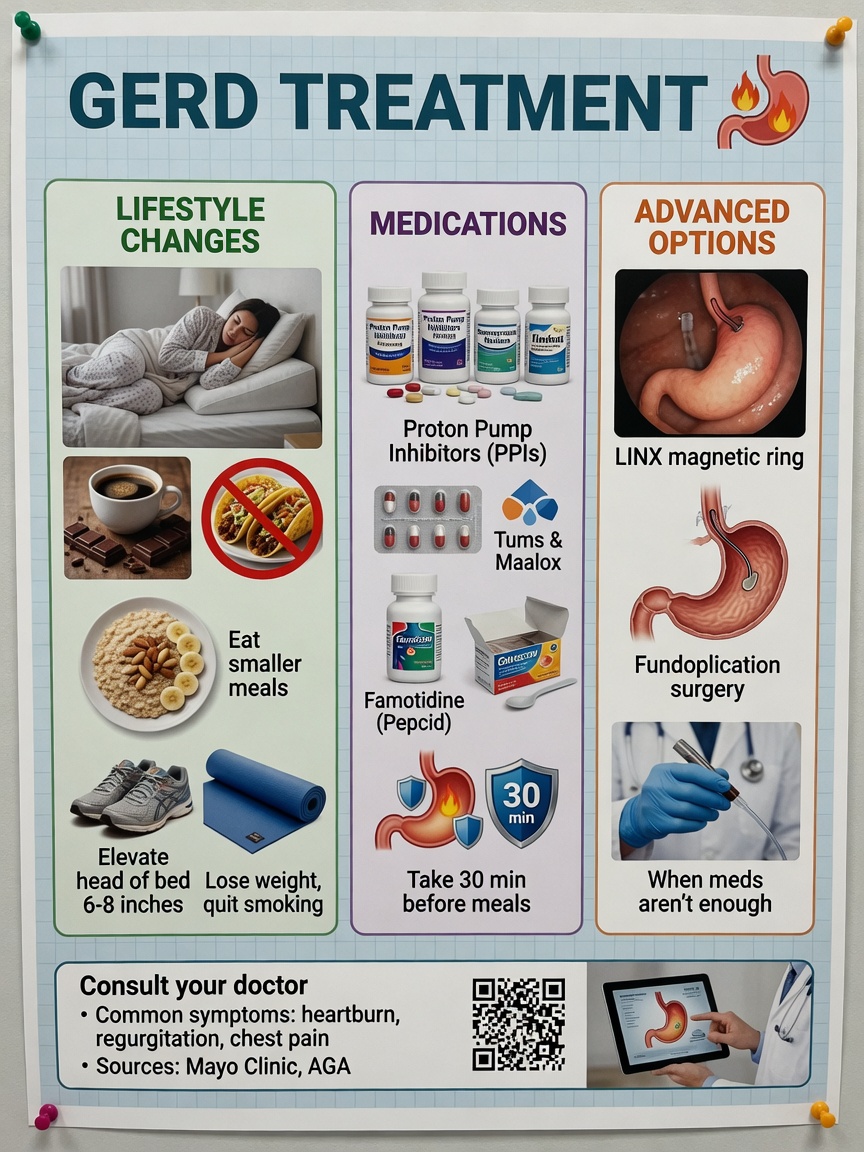
- Lifestyle Changes: To help manage GERD, you can try eating smaller meals, eating dinner earlier, maintaining a healthy weight, avoiding tight-fitting clothes, and quitting smoking and drinking.
- Medications: OTC medications like antacids and alginates and prescription medications like H2 blockers, PPIs, and baclofen can help neutralize or reduce stomach acid production, reducing the frequency of GERD.
- Nissen Fundoplication: It is a primary surgery for GERD, often performed laparoscopically with minimal incisions and faster recovery. This surgery wraps the upper stomach around the lower esophagus. This procedure tightens the junction, reducing acid reflux.
- LINX Device: A cutting-edge solution, the LINX device, implanted during surgery, is a ring of tiny magnets that help keep the stomach-esophagus junction close, offering effective relief for GERD.
The choice of GERD treatment in Dubai depends on the severity of symptoms and individual response. Consulting a GERD specialist in Dubai is crucial for proper diagnosis and personalized treatment.
Consult
Navigating Best GERD Treatment In Dubai: Your Journey to Relief with Dr. Nikolas Valsamidis
When it comes to GERD (Gastroesophageal Reflux Disease), remember that relief is not just a destination; it’s a continuous journey.
Dr. Nikolas Valsamidis, a laparoscopic surgeon and GERD specialist in Dubai, stands to guide you through each step, providing expertise and support. With his expertise and your commitment to a tailored Gerd treatment plan, a life free from the discomfort of GERD awaits.
FAQs-
Gastroesophageal Reflux Disease (GERD) is a chronic digestive condition where stomach acid frequently flows back into the esophagus, causing heartburn, chest pain, regurgitation, and throat discomfort.
Typical symptoms include:
Frequent heartburn or acid reflux
Sour or bitter taste in the mouth
Difficulty swallowing
Chronic cough or sore throat
Chest discomfort, especially at night
Dr. Nikolas may recommend:
Endoscopy to examine the esophagus
pH monitoring to measure acid reflux
Manometry to assess esophageal function
Imaging or lab tests if needed
Treatment may include:
Lifestyle changes – weight management, avoiding trigger foods, elevating the head while sleeping
Medications – antacids, proton pump inhibitors (PPIs), or H2 blockers
Surgical procedures – in severe cases, laparoscopic fundoplication or minimally invasive techniques may be recommended
- Long-term relief from heartburn and acid reflux
Protection of the esophagus from damage and strictures
Improved quality of sleep and daily comfort
Reduced dependence on long-term medications
Advanced laparoscopic and minimally invasive options for quick recovery
Most patients who undergo laparoscopic GERD surgery can return to light activities within 1–2 weeks and resume normal routines in 3–4 weeks, depending on their overall health.
The cost of GERD treatment in Dubai depends on:
Whether you need medication or surgery
Type of procedure performed
Hospital and surgeon fees
A personalized cost estimate is provided after consultation with Dr. Nikolas.
- Specialist in upper GI and laparoscopic surgeries
Expertise in advanced GERD management techniques
Patient-centered approach with tailored treatment plans
Proven track record of successful outcomes in GERD patients